

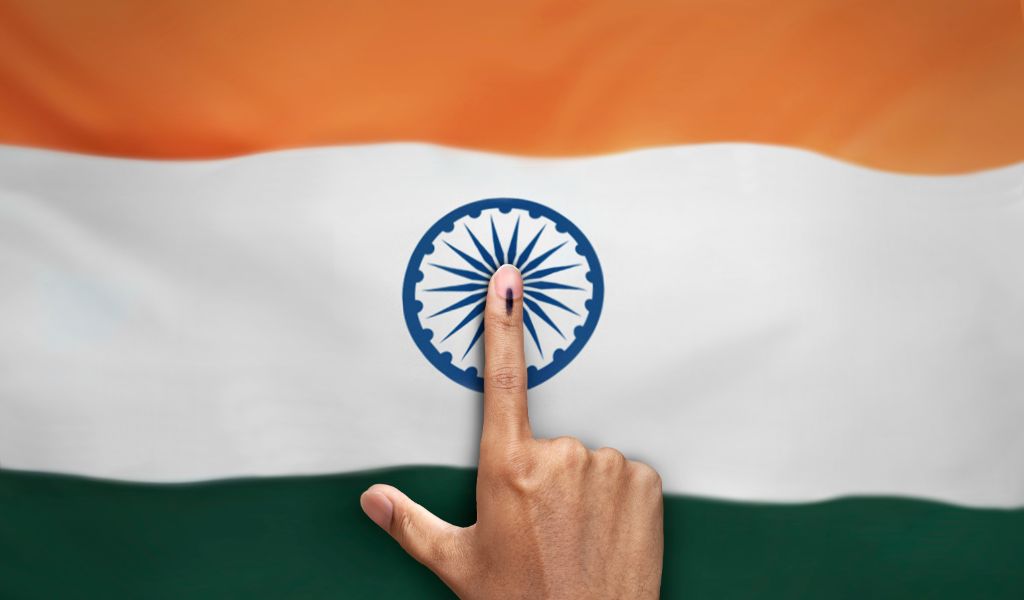
India, the world’s largest democracy, takes pride in its electoral process. Every few years, millions of citizens cast their votes to elect representatives, reflecting the nation’s collective will. Yet, despite constitutional safeguards and an independent Election Commission, political malpractices continue to plague elections. These unethical practices erode trust in democracy, undermine fair competition, and distort the voice of the people.
One of the most prevalent malpractices is vote-buying. Political parties often distribute cash, liquor, or gifts to sway voters. Such bribery not only violates electoral laws but also compromises voters’ independence. It tends to marginalize genuine candidates who cannot match the financial power of larger parties, reinforcing inequality in the political arena.
Booth capturing and intimidation are another concern, especially in regions with weak law enforcement or intense political rivalry. Although electronic voting machines (EVMs) and stronger security measures have reduced such incidents, reports of physical coercion, threats, and fake voting still emerge during local and state elections. Even subtle forms of intimidation, like pressuring vulnerable communities or using muscle power, can affect outcomes.
Manipulation of voter rolls has become a modern tactic. Allegations of mass deletion of names, fraudulent additions, or selective inclusion of supporters have surfaced in several states. Such actions disenfranchise genuine voters and create opportunities for rigged outcomes. With the digitization of electoral rolls, tampering can be sophisticated, requiring vigilant monitoring by authorities.
Another malpractice involves misuse of government machinery. Ruling parties sometimes deploy state resources—official vehicles, government-funded advertisements, or public events disguised as development projects—to promote their candidates. This blurs the line between governance and campaigning, giving incumbents an unfair advantage.
Misinformation and propaganda, amplified by social media, have become a significant modern threat. False narratives, doctored images, and misleading statistics are circulated to influence public opinion. While robust debate is essential to democracy, spreading fake news corrodes informed decision-making and deepens social divisions.
Electoral bonds and opaque funding also raise concerns. While intended to make political donations transparent, loopholes allow large contributions to flow without revealing the donors’ identities. This creates a perception of undue influence by wealthy corporations or interest groups over policy decisions after elections.
Addressing these malpractices requires a multi-pronged approach. The Election Commission of India must continue to strengthen enforcement mechanisms, using technology like blockchain-based voting audits or AI-driven monitoring of campaign finance. Judicial reforms could ensure swift action on electoral disputes, reducing incentives for malpractice. Civil society and the media have a crucial role in exposing unethical practices and educating voters about their rights. Most importantly, voter awareness is key—citizens must understand that short-term gains like cash handouts ultimately weaken governance and accountability.
India’s democracy has shown resilience over decades, but its strength depends on the integrity of its elections. Eliminating political malpractices is not just about cleaner campaigns—it’s about safeguarding the very foundation of democratic governance and ensuring every vote truly counts.


.jpeg)
