


The Importance of the Vice-President’s Role
The vice president of India is not merely a ceremonial figure. Serving as the ex-officio Chairperson of the Rajya Sabha, the vice president plays a pivotal role in maintaining order, moderating debates, and ensuring the smooth passage of legislation. This position is especially crucial in an era marked by sharp political divisions and frequent disruptions in parliamentary proceedings. Radhakrishnan’s long political career and administrative experience are expected to help him handle these challenges with balance and maturity.
A Victory Marked by Cross-Voting
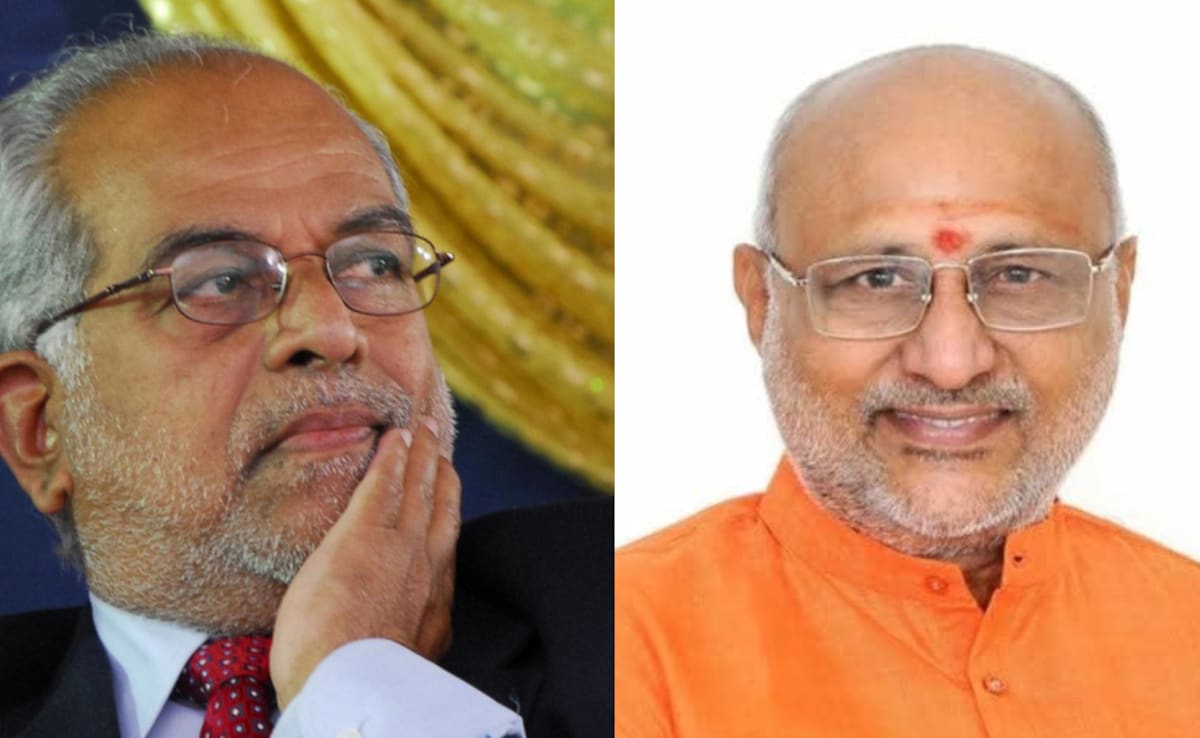
https://c.ndtvimg.com/2025-08/0l1cdjhg_b-sudhakar-reddy-and-c-p-radhakrishnan_625x300_19_August_25.jpg?im=FeatureCrop,algorithm=dnn,width=1200,height=738One of the notable features of this election was the cross-voting observed during the ballot count. While the National Democratic Alliance (NDA) enjoyed a numerical advantage, Radhakrishnan received unexpected support from MPs belonging to parties outside the ruling coalition. Analysts believe this reflects either dissatisfaction within opposition ranks or respect for Radhakrishnan’s reputation as a consensus builder. His previous efforts to foster dialogue across party lines, particularly during his tenure as governor and senior BJP leader in Tamil Nadu, may have influenced these decisions.
Implications for the Opposition
The result is a strategic setback for opposition parties. Despite fielding a credible candidate in B. Sudershan Reddy, they failed to consolidate their votes effectively. The 152-vote margin underscores the need for greater unity and coordination among opposition groups, especially with key state elections like Bihar on the horizon. Political observers argue that the vice-presidential outcome could serve as a warning for opposition leaders to recalibrate alliances and strengthen their messaging before the next electoral contests.
A Transparent and Efficient Process
The Election Commission of India deserves credit for the smooth conduct of the poll. Voter turnout among members of Parliament exceeded 98%, reflecting lawmakers’ commitment to upholding democratic norms. The election’s efficient management is particularly significant amid recent controversies and allegations of electoral malpractice in other states. It offers reassurance that India’s constitutional processes remain robust and credible.
Looking Ahead
As vice president, Radhakrishnan will be tasked with guiding debates in a sometimes contentious Rajya Sabha. His pledge to encourage constructive discussions, respect diverse opinions, and maintain neutrality will be critical for building trust across party lines. With major legislative reforms likely to be debated in the coming years, his ability to foster cooperation will shape the tone of parliamentary proceedings.
Conclusion
The finalization of the vice-presidential election highlights the enduring strength of India’s democratic institutions. C.P. Radhakrishnan’s election is not just a political milestone but a reminder that credibility and dialogue can transcend party boundaries. His leadership will play a vital role in ensuring productive and balanced parliamentary sessions in the years ahead.


.jpeg)
